

Every piece of plastic has a story, but too often it ends in harm. From sea turtles ingesting marine debris to microplastic turning up in oysters, these stories are unfolding all around us. But, the good news, is that this year offers more than 100 ways for you to protect local wildlife, care for the places we love and feel good doing it!
Many Hands, One Dream
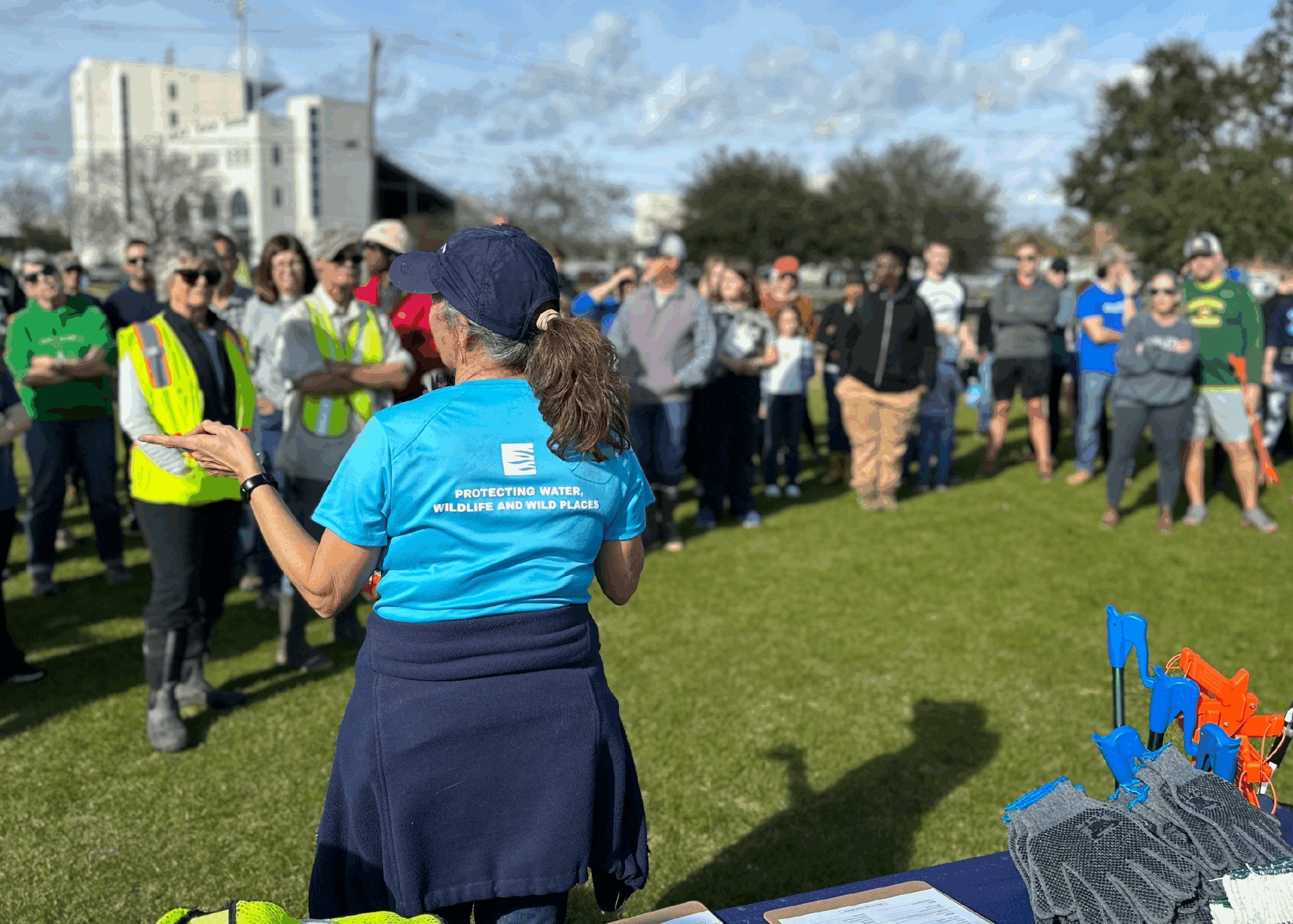
Throughout 2025, more than 3,500 volunteers gathered to clean up litter with us across the state of South Carolina. From the Upstate to the Lowcountry, these habitat activists prevented debris from entering rivers, ponds, saltmarshes and eventually the ocean — and their data made an impact.
Information about the types of litter collected during a community cleanup is entered into the Litter Journal, a project in the South Carolina Aquarium Citizen Science app. This data unveils the most prevalent types of litter in an area, hot spots where debris gathers in high numbers and even the impact of plastic mitigation efforts! Anyone can use this data of more than 4 million (and counting!) pieces of litter to empower change in their community.
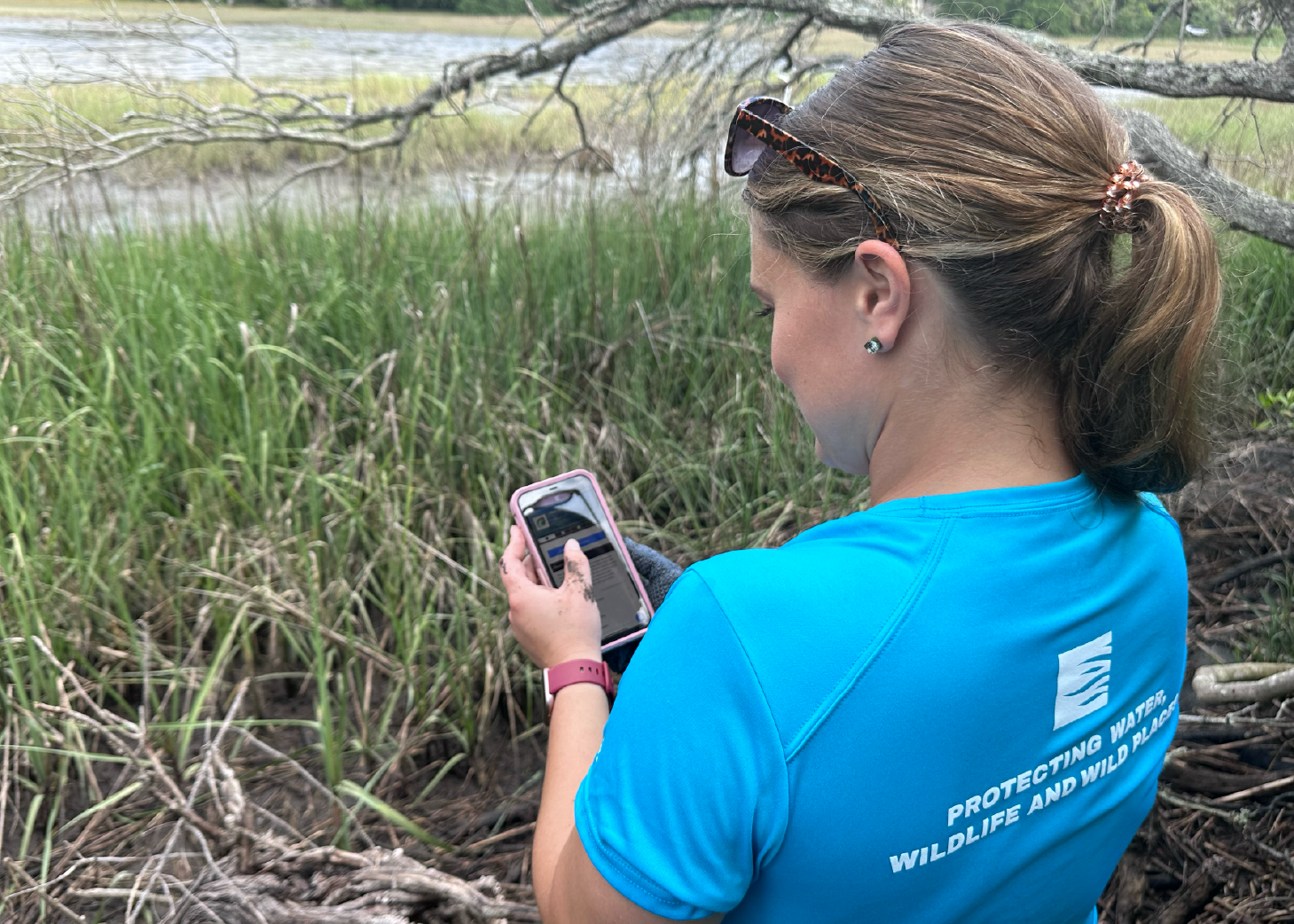 You can record data in the Litter Journal on mobile or desktop!
Service in Action
The most impactful changes began after only two years of collecting data in the Lowcountry. Smoking and single-use plastic ordinances were issued in and around Charleston to mitigate discarded cigarette butts, plastic straws and cutlery, plastic bags and single-use takeout containers. Not only did litter data collected by citizen scientists help advocate for these changes, but it ultimately showed that the ordinances work, as seen in other coastal communities in the United States. After these changes were made, fewer of these types of litter were found and recorded in areas with ordinances in place!
Just recently, conservation organizations in Beaufort, South Carolina used information gathered in the Litter Journal to advocate for a city-wide ban on balloon releases — preventing this type of debris from ending up in the stomachs of endangered species, like sea turtles.
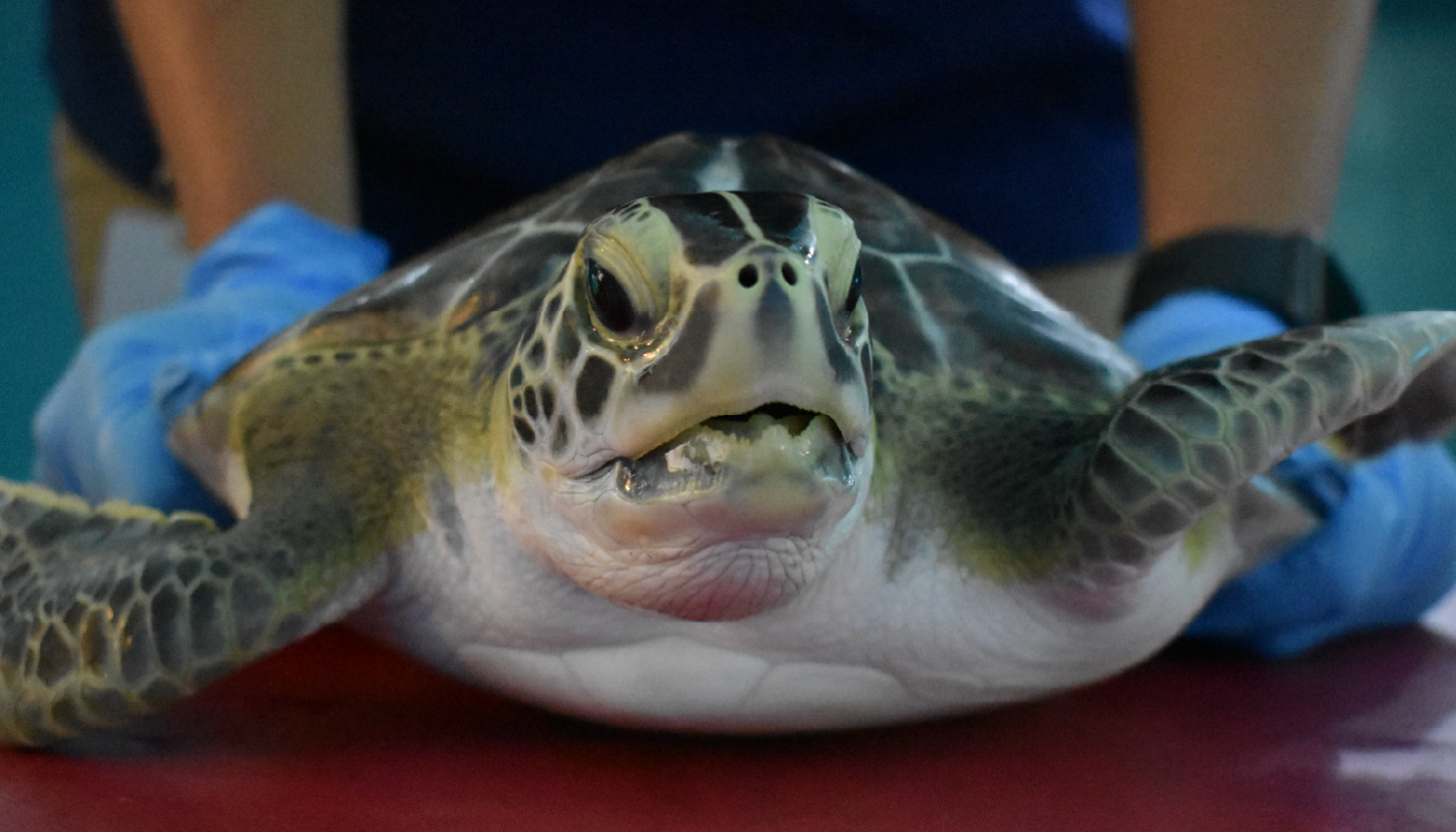 Harbor View was rehabilitated after ingesting a large red balloon.
 Small Acts, Big Impact
With so much good work already underway, it’s natural to wonder where you fit in. The truth is, progress doesn’t mean the work is done. Litter remains a constant presence, and keeping our water, wildlife and wild places healthy takes continued care. Your next opportunity to make a difference is already on the horizon.
Martin Luther King Jr. Day of Service, on January 19, is one of the largest collective efforts to bridge divides within and strengthen our communities. Each year, we work with numerous local conservation organizations to conduct a litter sweep and food drive launching from the corner of Hagood Avenue and Fishburne Street. This busy streetscape and important waterway regularly floods, pulling trash out into the Ashley River and eventually into the Charleston Harbor and Atlantic Ocean.
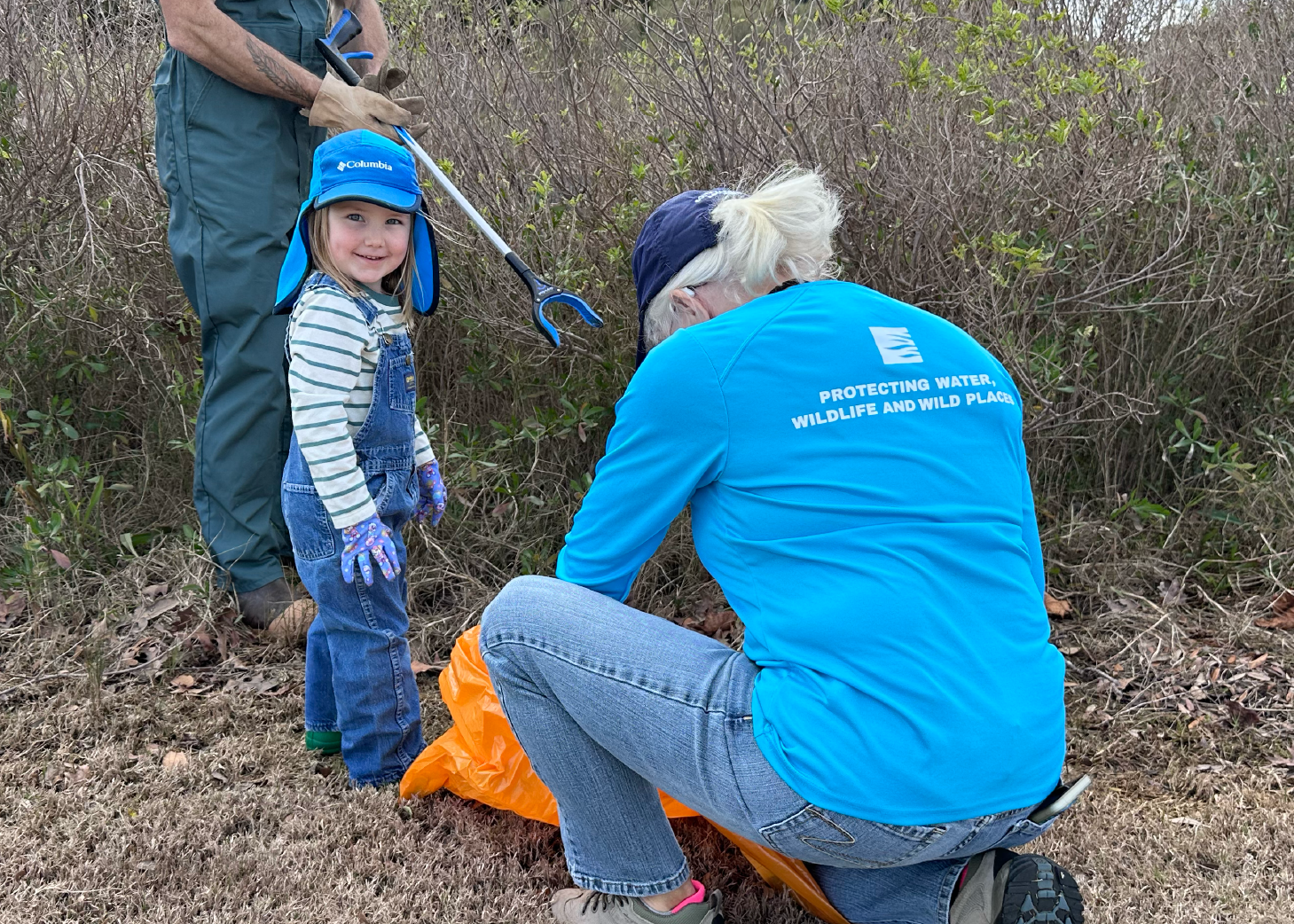 From 4 to 104, this litter sweep is accessible for all ages!
Get 2026 started on the right foot by joining us at one of our most impactful litter sweeps of the year — the MLK Day of Service Litter Sweep and Food Drive! With our guidance, you will learn how to conduct a litter sweep with data collection, meet like-minded neighbors and find out more ways to stay connected and up-to-date on the more than 100 opportunities to make a difference this year.
Published January 8, 2026